UK Budget 2025 Cuts Pension Benefits for Expats, Targets £1.3B in Fraud Savings
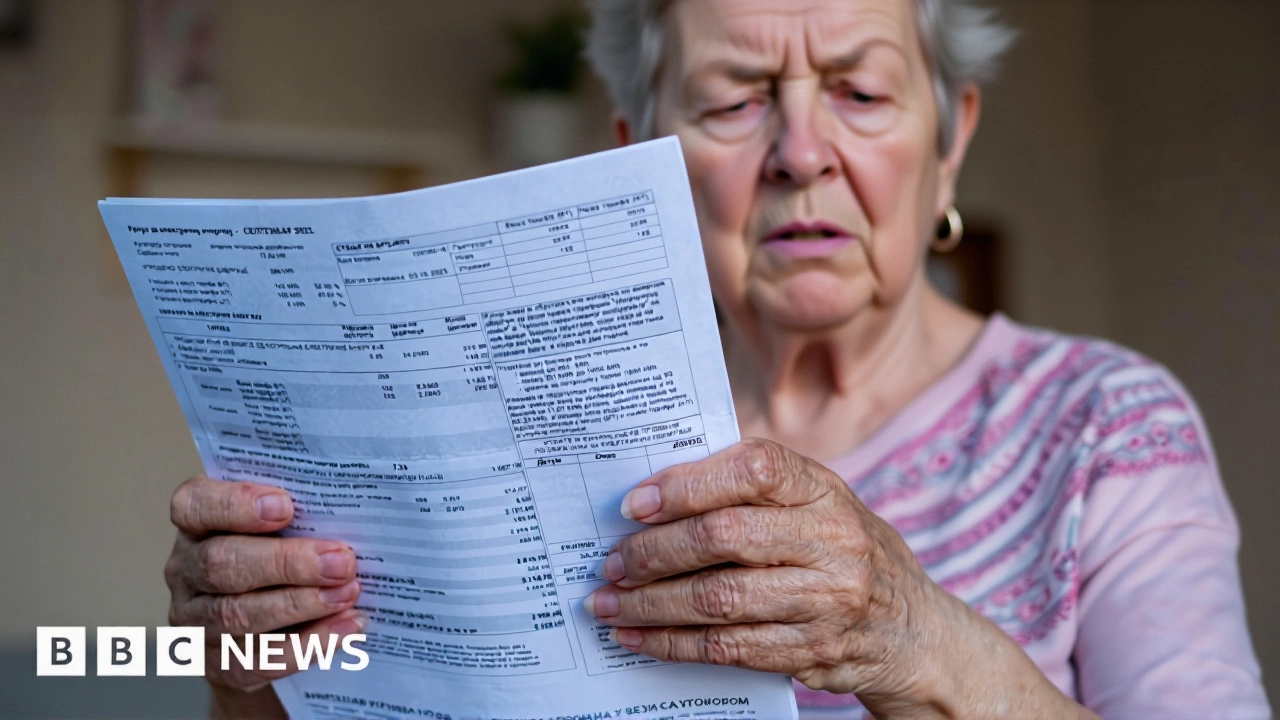
When the UK government unveiled its Budget 2025 in autumn 2024, it didn’t just tweak the tax code—it rewrote the social contract for millions. The most jarring change? Ending the decades-old loophole that let British expats living abroad buy cheap access to the UK State Pension. Suddenly, those who moved overseas and thought they’d secured a modest retirement income are facing a hard truth: the deal’s off. Meanwhile, in homes across England, Scotland, and Wales, 2.3 million disabled people are bracing for changes to Personal Independence Payment (PIP), as the government launches the Timms review—a long-awaited overhaul of a system many say has failed them. And behind it all? A £1.3 billion target: savings from fraud and error by 2030-31. This isn’t austerity with a smile. It’s recalibration with teeth.
Ending the Expats’ Pension Loophole
The UK State Pension is meant to be earned through National Insurance contributions. But for years, expats living in countries without reciprocal agreements—places like Australia, Canada, and South Africa—could top up their contributions at a fraction of the cost, effectively buying their way into a UK pension they’d never taxed. The government now calls it "cheap access," and it’s dead. No more discounted buy-ins. No more pension top-ups for those who left the UK after working here for just a few years. The move won’t affect everyone—only those who haven’t yet claimed or built up sufficient contributions—but it hits a symbolic nerve. It signals that the state will no longer subsidize retirement abroad when domestic needs are pressing. The Treasury estimates hundreds of thousands of expats may be impacted, though exact numbers remain unconfirmed. For many, it’s a betrayal. For others, it’s long overdue.
The Timms Review: A System Under Scrutiny
Every year, the Department for Work and Pensions (DWP) spends over £20 billion on PIP, a benefit designed to help disabled people cover extra living costs. But the system has been criticized since its 2013 launch for being overly bureaucratic, inconsistent, and sometimes cruel. Disability Rights UK has called it "a lottery," with claimants in identical situations receiving wildly different outcomes. Enter the Timms review. Named—though not officially confirmed—for former Work and Pensions Committee Chair Laura Farris (née Timms), this independent review aims to overhaul the assessment process, improve access, and reduce appeals. The DWP hasn’t named the lead reviewer or set a deadline, but with 2.3 million recipients and 1.2 million pending claims, the pressure is immense. What’s at stake? Not just money, but dignity. Many disabled people have reported being turned down despite clear medical evidence. If the review delivers real change, it could restore trust. If it doesn’t? Protests could erupt across the country.
Fraud Crackdown: £1.3 Billion by 2031
The government’s most concrete promise: £1.3 billion in savings from fraud and error by the 2030-31 fiscal year. That’s not theoretical—it’s a target baked into the Office for Budget Responsibility’s (OBR) forecasts. The focus? Universal Credit, Pension Credit, and housing benefit claims where mismatched data, unreported income, or duplicate claims have crept in. The DWP is rolling out new digital verification tools, cross-checking bank records, rental data, and even social media activity. It’s controversial. Critics warn of false positives—elderly claimants misclassified as fraudsters because their grandchildren live with them, or disabled people flagged because they took a temporary job. But the Treasury insists: "We’re not punishing the vulnerable. We’re stopping the cheats." And they’ve got data to back it up. In 2023, error and fraud cost £5.8 billion across benefits. Cutting that by more than 20% in seven years? That’s ambitious. The OBR says the savings will help meet the fiscal stability rule a year early—by £21.7 billion.

Motability Scheme Tax Changes: A Quiet Revolution
One of the least publicized but most impactful moves? Raising over £1 billion from tax relief changes to the Motability Scheme. Established in 1977 and run by Motability Operations Ltd in Walsall, the scheme gives disabled people access to cars, wheelchairs, and scooters through their disability benefits. The tax break—previously allowing 100% relief on capital gains for vehicle transfers—will now be capped at 50%. The change, effective April 2025, won’t reduce the number of cars handed out, but it will tighten the financial model. Manufacturers may pass on costs, and some families might face higher insurance premiums. But the government argues: "We’re not cutting support—we’re making it sustainable." With 650,000+ users and rising demand, the £1 billion raised over five years will help shore up the program against inflation and demand spikes. It’s a subtle shift: less tax relief, same access. But it’s a sign of things to come.
What’s Next? The Ripple Effects
These reforms aren’t happening in isolation. The Office for Budget Responsibility confirmed the government is on track to meet its investment rule by £24.4 billion by 2029-30. Meanwhile, the Institute for Fiscal Studies is analyzing whether these cuts will deepen inequality. Early signals suggest disabled households, low-income pensioners, and rural families—those least able to absorb shocks—will feel the pinch. The £150 energy bill reduction and prescription freeze starting April 2025 offer some relief, but they’re temporary. The real test comes in 2030, when the £1.3 billion in savings kicks in. Will the savings come from better systems? Or from harder eligibility tests? The government says the former. Critics fear the latter.

Why This Matters
This isn’t just about numbers on a spreadsheet. It’s about who gets left behind. The UK’s welfare system was built on solidarity. Now, it’s being rebuilt on sustainability. The State Pension change says: "We won’t pay for your retirement if you’ve moved away." The PIP review says: "We’ll fix what’s broken, but we’re watching closely." The fraud savings say: "We’re done with waste." And the Motability changes say: "We’ll keep your car, but you’ll help pay for it." For millions, these aren’t policies. They’re lifelines. And the question now is: will they hold?
Frequently Asked Questions
Who will be most affected by the State Pension changes?
British citizens who moved abroad after working in the UK but didn’t accumulate enough National Insurance contributions will be hit hardest. Those in countries like Australia, Canada, and South Africa—where pensions aren’t uprated annually—will lose the ability to top up their contributions cheaply. An estimated 300,000 to 500,000 expats may be affected, though exact figures aren’t public. Many planned their retirement around this loophole, and now face a potential 20-30% drop in pension income.
What’s the timeline for the PIP review and when will changes take effect?
The Timms review was announced in late 2024, but no lead reviewer, methodology, or deadline has been published. Historically, such reviews take 9–18 months. Changes to PIP eligibility or assessments won’t appear before late 2025 at the earliest, with full rollout likely in 2026. The DWP has promised no immediate cuts, but claimants should prepare for more rigorous evidence requirements and possible reassessments.
How will the Motability Scheme changes affect disabled families?
The 50% cap on capital gains tax relief won’t reduce the number of vehicles provided, but manufacturers may raise lease prices slightly to offset lost tax benefits. Families could see insurance or maintenance costs rise by £50–£100 annually. The scheme’s core funding—via disability benefits—remains unchanged, so eligibility won’t tighten. However, with inflation and demand growing, the government is betting the £1 billion raised over five years will keep the program solvent without cutting services.
Is the £1.3 billion fraud savings realistic?
The Office for Budget Responsibility says yes, based on improved data matching and AI-driven fraud detection tools already piloted in Universal Credit. The DWP has already recovered £720 million in 2023–24 from error and fraud. The remaining £580 million target relies on expanding these tools to Pension Credit and housing benefit. Experts warn that overreach could lead to wrongful denials, especially among elderly or mentally ill claimants. The real risk isn’t fraud—it’s systemic mistrust.
What’s the role of the Institute for Fiscal Studies in this?
The Institute for Fiscal Studies, based in London, is analyzing whether the Budget 2025 measures meet their own fiscal and equity benchmarks. While their full report isn’t public yet, early commentary suggests they’re concerned about the regressive impact on disabled and low-income households. They’ll likely question whether the £1.3 billion in savings justifies the human cost—and whether alternatives, like taxing wealth or closing corporate loopholes, were fully explored.
How do these changes affect Northern Ireland?
Northern Ireland administers its own welfare benefits independently under devolved powers. While the UK government announced these reforms for England, Scotland, and Wales, Northern Ireland’s Department for Communities will decide whether to mirror the changes. The State Pension changes apply universally since it’s a reserved matter, but PIP, Universal Credit, and Motability adjustments may differ. Residents should watch for announcements from Stormont in early 2025.
- November 28, 2025
- Cassius Windham
- 0 Comments
- Permalink