Eyeball Lickin' Good: The Strange Truth Behind That Viral Phrase
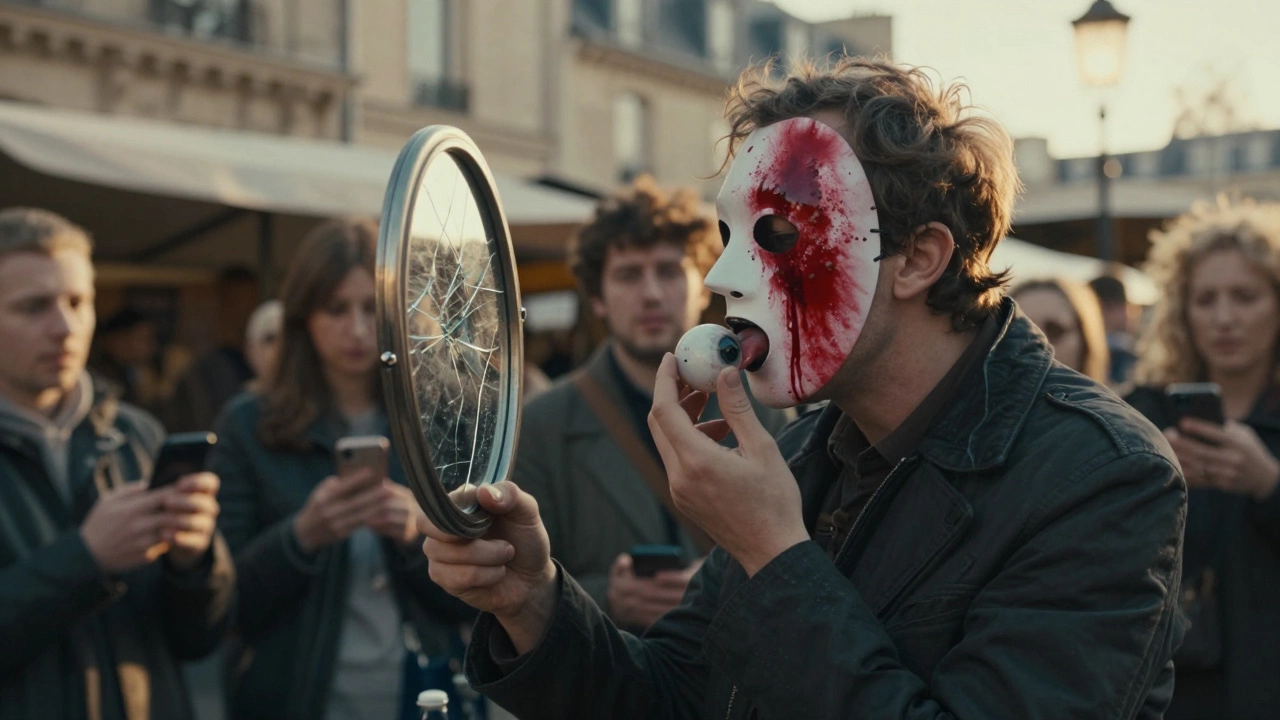
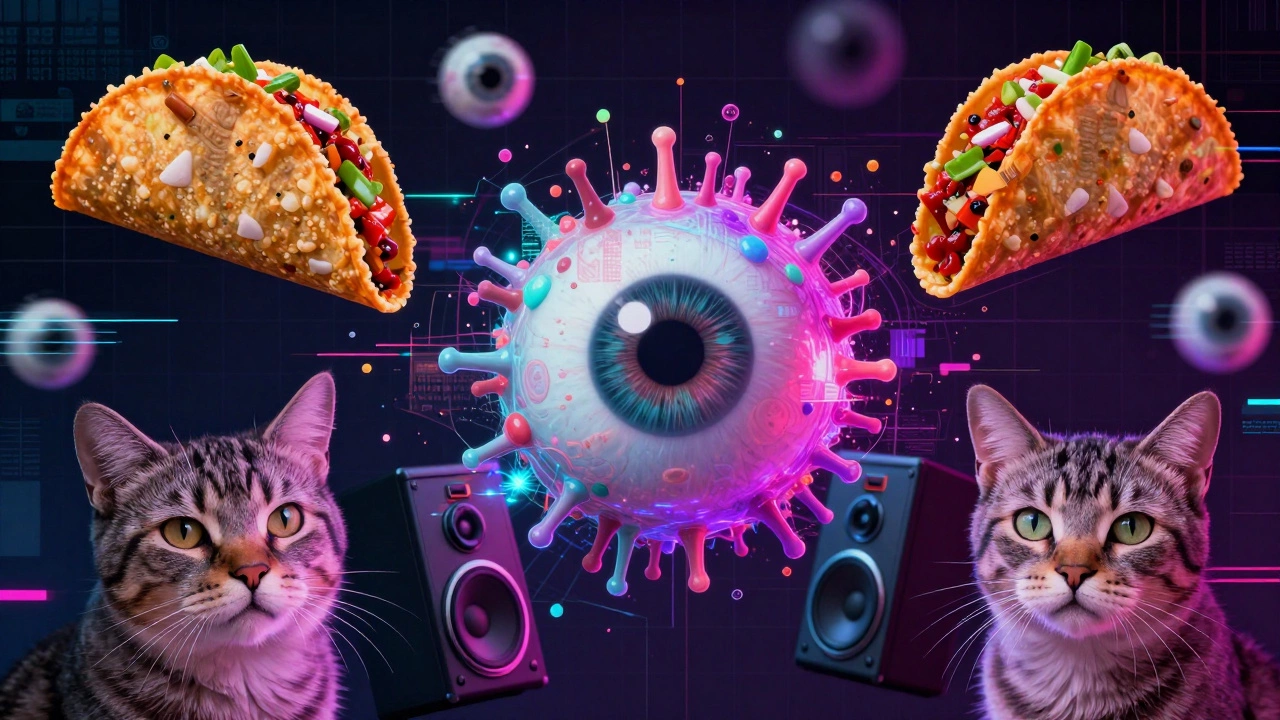
Ever heard someone say "eyeball lickin' good" and wondered if they were talking about food, a horror movie, or something else entirely? It’s not a recipe. It’s not a warning. And no, it’s not something you’d actually want to try. The phrase exploded online in late 2024 after a viral TikTok clip of a comedian in Montreal mimicking a horror film villain licking his own eyeball-just for laughs. The video got 12 million views in 72 hours. People started using it to describe anything absurdly intense: a spicy taco, a bass drop at a rave, even a perfectly timed sneeze. It’s nonsense. And that’s exactly why it stuck.
Oddly enough, if you’re scrolling through Paris nightlife forums, you might stumble across a post saying "es ort paris"-a misspelled reference to a local nightlife service that has nothing to do with eyeballs, but everything to do with late-night curiosity. Some people search for it thinking it’s a hidden bar. Others think it’s a code. The truth? It’s just a typo that got indexed. And if you’re looking for something real in Paris, escort s is a term that pops up in search results more than you’d expect, though it’s not what most people think. These phrases don’t connect. But they live in the same digital swamp, where meaning gets lost, remixed, and reborn.
Where Did "Eyeball Lickin' Good" Really Come From?
The origin isn’t a meme. It’s a performance. In October 2024, a street performer named Remy Leclerc, known for his surreal comedy sketches, did a 90-second bit at the Marché des Enfants Rouges in Paris. He wore a fake blood-soaked mask, stared into a mirror, and slowly licked his own prosthetic eyeball while whispering, "Eyeball lickin’ good…" Then he bowed. No explanation. No punchline. Just silence. Someone filmed it. Someone posted it. And the internet turned it into a mantra.
It wasn’t meant to be funny. It was meant to be unsettling. And that’s why it worked. People don’t laugh at the eyeball. They laugh because they don’t know why it happened. The phrase became shorthand for things that are so weird they feel right. A new energy drink? Eyeball lickin’ good. A breakup text that actually made sense? Eyeball lickin’ good. A cat that stares at you for 17 minutes straight? You guessed it.
Why Does Nonsense Go Viral?
Humans are pattern-seeking animals. When we hear something that doesn’t make sense, our brains try to fix it. We assign meaning. We create context. We meme it. That’s why "eyeball lickin’ good" spread faster than a real joke. It didn’t need logic. It needed reaction.
Studies in digital linguistics show that phrases with mismatched imagery-like combining something grotesque (eyeball) with something pleasurable (lickin’ good)-trigger higher emotional engagement. The brain doesn’t know whether to recoil or grin. So it does both. And shares it.
This isn’t new. Think of "I’m a Mac, I’m a PC" or "Where’s the beef?" Those were nonsense on the surface too. But they tapped into identity, conflict, or absurdity. "Eyeball lickin’ good" does the same. It’s not about taste. It’s about tone. It’s about saying, "I’m not taking this seriously, but I’m still here."
How It’s Being Used Today
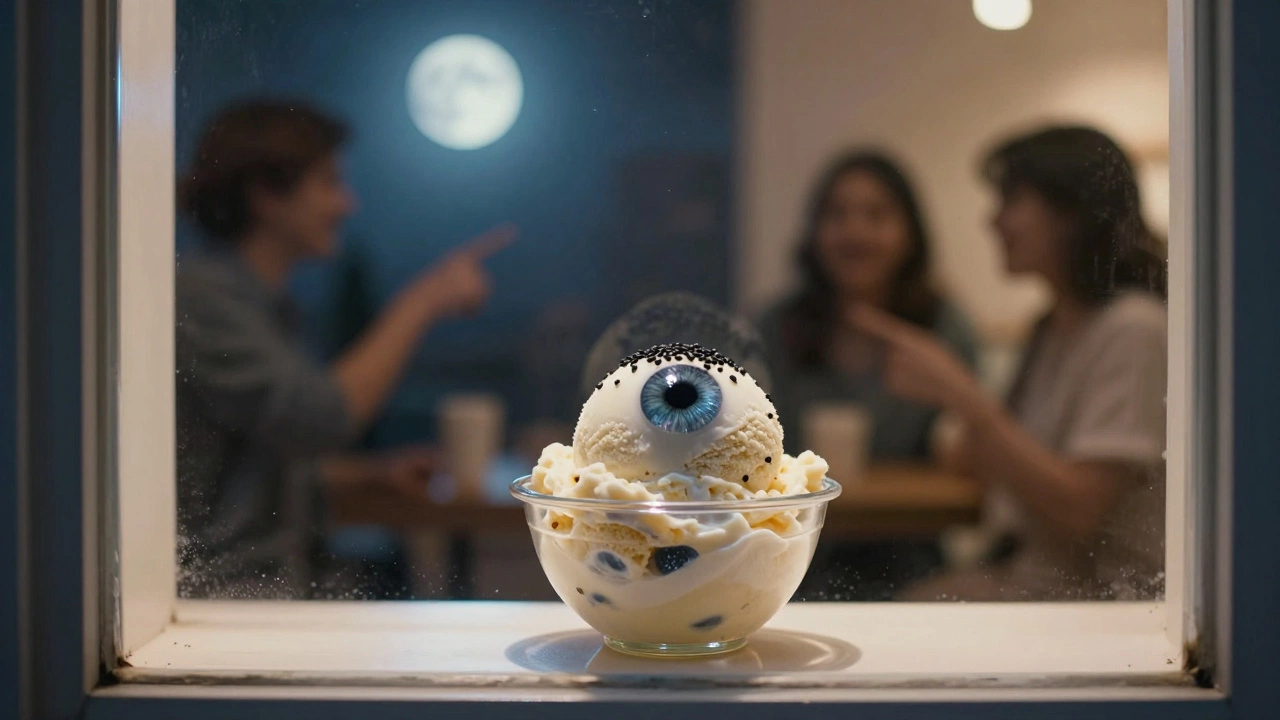
By early 2025, "eyeball lickin’ good" had moved from memes to marketing. A Sydney-based ice cream shop started selling a flavor called "Eyeball Lickin’ Good"-black sesame swirl with edible glitter that looks like eyeball globes. It sold out in three days. A band in Berlin named their new album after it. A dating app in Tokyo added it as a profile badge for users who describe themselves as "unapologetically weird."
Even local news in Melbourne ran a segment on it. "Is this the future of branding?" asked the anchor. The answer? Probably not. But it’s the present of attention.
Companies are now paying influencers to say it. Not because it sells. But because saying it proves you’re in the loop. It’s like whispering a secret code. If you know what "eyeball lickin’ good" means, you’re not just online-you’re *of* the internet.
What It Says About Modern Culture
This phrase didn’t rise because it’s clever. It rose because it’s empty. And in a world full of over-explained content, empty things feel fresh. TikTok thrives on moments that can’t be analyzed. They’re felt, not understood. "Eyeball lickin’ good" is the perfect artifact of that.
It’s the anti-slogan. No product. No promise. No meaning. Just sensation. And in a culture drowning in optimization, that’s a kind of rebellion.
Think about it: we’ve spent decades chasing clarity. Better UX. Simpler messaging. Clear CTAs. Then suddenly, someone licks their fake eyeball-and the whole internet cheers. We don’t want more logic. We want more weird. We want more texture. We want something that doesn’t fit.
Is This Just a Fad?
Probably. But that doesn’t mean it’s meaningless. Fads are the pulse of culture. They show us what we’re feeling before we can name it. "Eyeball lickin’ good" isn’t going to be in dictionaries. But it might be in art books. In 2030, someone might write a thesis on it as a symbol of digital disorientation.
Right now, it’s just a phrase. A weird, gross, funny, unforgettable phrase. You’ll hear it at parties. You’ll see it on merch. Someone will name their dog after it. And then, in six months, no one will say it anymore. But you’ll remember it. And you’ll wonder why you ever cared.
That’s the point.
How to Use It (If You Must)
If you’re going to use "eyeball lickin’ good," do it right. Don’t force it. Don’t try to sell it. Don’t explain it. Just drop it like a weird little stone in a conversation.
- After tasting a chili pepper so hot your eyes water: "That was eyeball lickin’ good."
- When your friend tells a story that makes zero sense but you love it: "That’s eyeball lickin’ good."
- When you see a pigeon wearing a tiny hat: "Eyeball lickin’ good."
It works best when it’s unexpected. When it doesn’t belong. That’s the whole charm.
Final Thought: Why We Need This
We live in a world that wants us to be productive, optimized, and clear. But sometimes, we just need to lick an eyeball. Not literally. Metaphorically. To remind ourselves that not everything has to make sense. That joy can be messy. That humor can be grotesque. That connection can come from the strangest places-even a phrase that sounds like a horror movie line.
So go ahead. Say it. Whisper it. Shout it. Eyeball lickin’ good.
- December 6, 2025
- Cassius Windham
- 0 Comments
- Permalink